
Soap Base, Uncategorized
Soap Business Startup Guide
Jun
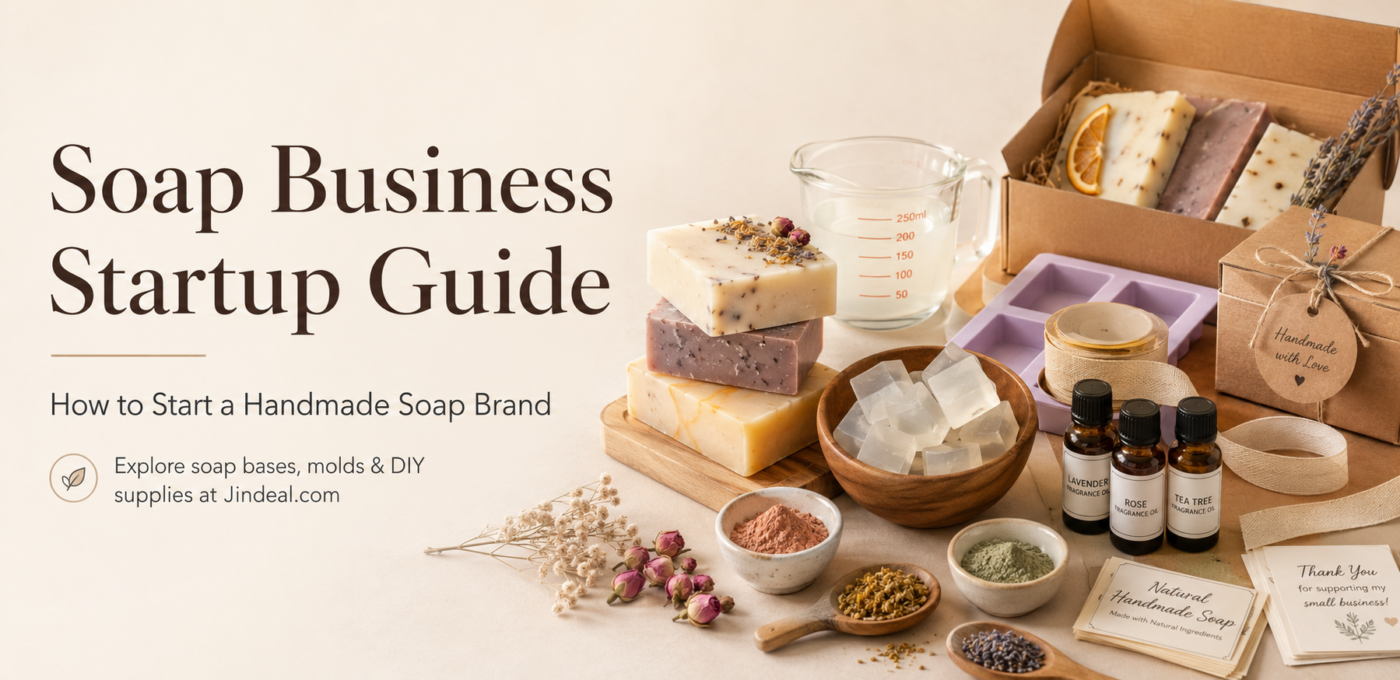
Soap Business Startup Guide: How to Start a Handmade Soap Business
Learn how to start a small soap business with the right soap base, fragrance, colors, molds, packaging, pricing, product planning, and selling strategy.
Quick Answer
To start a soap business, choose a clear product range, test reliable formulas, calculate cost per soap, use cosmetic-grade ingredients, create attractive packaging, follow basic labeling requirements, and sell through online platforms, local stores, exhibitions, and social media. Start small, test demand, and scale after customer feedback.
Table of Contents
What Is a Soap Business?
A soap business is a small-scale or professional business where you make, package, brand, and sell soaps to customers. It can start from home with melt and pour soap, glycerin soap, herbal soap, goat milk soap, shea butter soap, charcoal soap, turmeric soap, coffee soap, luxury gift soaps, and customized soaps.
Handmade soap is popular because customers like natural-looking, creative, fragrant, colorful, and giftable products. A soap business can be sold through your own website, marketplaces, Instagram, WhatsApp, local shops, gift stores, salons, exhibitions, and corporate gifting.
For beginners, melt and pour soap is one of the easiest ways to start because it does not require handling lye directly. You can focus on design, fragrance, colors, molds, packaging, and branding.
For soap base, silicone molds, fragrance oils, essential oils, soap colors, carrier oils, clays, herbal powders, packaging materials, and DIY cosmetic raw materials, you can visit Jindeal.com.
What Causes the Problem?
Many beginners want to start a soap business but face confusion because they do not know where to begin. The problem is usually not soap making alone. It includes product selection, costing, packaging, quality control, branding, marketing, and repeat production.
Common causes include:
- No clear product niche or target customer
- Using poor-quality soap base or fragrance
- Making too many varieties in the beginning
- Not calculating cost per soap properly
- Weak packaging and labeling
- No batch records or formula records
- Not testing soap sweating, fragrance, color, and hardness
- Pricing too low and ignoring profit margin
- Not understanding customer demand
- Trying to scale before testing small batches
- Poor photography and product presentation
- Not mentioning ingredients and usage details clearly
For example, if you sell a 100g soap without calculating soap base cost, fragrance cost, color cost, packaging cost, wastage, marketplace fee, shipping, and profit margin, your business may look busy but still lose money.
Soap Business Startup Plan
Use this simple startup plan as a foundation before making bulk soap.
| Startup Area | What You Need | Why It Matters |
|---|---|---|
| Soap Base | Glycerin, white, goat milk, shea butter, aloe vera, clear base | Decides soap quality, look, lather, and customer experience |
| Fragrance | Cosmetic-grade fragrance oils or essential oils | Creates product identity and customer repeat buying |
| Colors | Soap colors, mica, clays, herbal powders | Improves visual appeal and product theme |
| Molds | Silicone soap molds, loaf molds, designer molds | Gives professional shape and finishing |
| Packaging | Shrink wrap, labels, boxes, kraft paper, gift packing | Protects soap and improves brand value |
| Selling | Website, social media, marketplace, local shops | Helps reach customers and grow sales |
Step-by-Step Solution
Step 1: Decide Your Soap Business Niche
Do not start with too many products. Choose one clear category first. Your niche can be herbal soaps, luxury gift soaps, kids soap, natural-looking soaps, festival gift soaps, hotel soaps, spa soaps, or customized soaps.
Good beginner soap ideas include:
- Turmeric ubtan soap
- Charcoal detox-style soap
- Coffee exfoliating soap
- Goat milk moisturizing soap
- Aloe vera fresh soap
- Rose and sandal soap
- Lavender calming soap
- Shea butter luxury soap
Step 2: Choose the Right Soap-Making Method
Beginners can start with melt and pour soap because it is simple and fast. You melt the ready soap base, add fragrance, color, additives, pour into molds, cool, demold, and pack.
Cold process soap is more advanced and requires lye handling, safety knowledge, curing time, and formula calculation. Start with melt and pour if you want faster testing and easier production.
Step 3: Buy Quality Raw Materials
Your soap quality depends on ingredients. Use cosmetic-grade soap base, fragrance oils, essential oils, colors, clays, herbal powders, and packaging materials.
You can source soap-making raw materials from Jindeal.com, including soap bases, silicone molds, fragrance oils, essential oils, colors, clays, herbal powders, carrier oils, bottles, jars, and packaging supplies.
Step 4: Create 4 to 6 Test Products
Do not launch 30 soaps in the beginning. Start with 4 to 6 products and test customer response. This keeps inventory simple and reduces confusion.
Step 5: Calculate Cost Per Soap
Costing is very important. Calculate every component before deciding selling price.
Include:
- Soap base cost
- Fragrance oil cost
- Color or additive cost
- Packaging cost
- Label cost
- Wastage cost
- Labor cost
- Shipping or delivery cost
- Marketplace or payment gateway fee
- Profit margin
Step 6: Make Proper Packaging and Labels
Packaging creates trust. Use clean labels, professional product names, net weight, ingredients, usage direction, storage instruction, batch number, and brand contact details.
For melt and pour soaps, shrink wrapping helps reduce sweating and protects the soap from dust and moisture.
Step 7: Take Good Product Photos
Product photos help sell soap online. Use natural light, clean background, close-up shots, ingredient props, and clear packaging images. Show the soap texture, color, size, and usage theme.
Step 8: Start Selling Online and Offline
You can sell through your website, Instagram, WhatsApp, marketplaces, local salons, gift stores, boutiques, exhibitions, fairs, and corporate gifting. Start with small stock and collect reviews.
Step 9: Track Feedback and Improve
Ask customers about fragrance, lather, skin feel, packaging, price, and design. Improve products based on feedback before scaling production.
Step 10: Scale Slowly
Once you know which soap sells best, buy raw materials in larger quantities, improve packaging, create bundles, launch gift boxes, and build your brand identity.
Common Mistakes
1. Starting with Too Many Products
Too many variants create inventory pressure and confusion. Start with a small range and expand after sales data.
2. Not Calculating Profit
Many beginners price only based on raw material cost and forget packaging, wastage, fees, shipping, and labor.
3. Using Poor-Quality Fragrance
Fragrance is one of the main reasons customers remember and repurchase soap. Use cosmetic-grade fragrance oils or suitable essential oils.
4. Not Testing Soap Sweating
Melt and pour soaps can sweat in humid weather. Test storage and packaging before selling.
5. Weak Packaging
Good soap with poor packaging looks low value. Packaging should protect and sell the product.
6. Copying Other Brands Completely
Use inspiration, but build your own product style, fragrance range, packaging, and brand story.
7. Ignoring Batch Records
Keep formula records so you can repeat your best-selling soaps consistently.
8. Not Taking Good Photos
Online customers buy based on visuals. Poor images reduce trust and sales.
9. Overusing Herbal Powders
Too much powder can reduce lather, make soap rough, stain, or settle at the bottom.
10. Scaling Before Testing Demand
Do not buy large inventory before knowing what customers actually want.
Expert Tips
- Start with melt and pour soap if you are a beginner.
- Launch with 4 to 6 products first.
- Use cosmetic-grade ingredients only.
- Keep your formulas simple and repeatable.
- Use attractive fragrance names and product themes.
- Calculate cost per soap before deciding price.
- Use shrink wrap or airtight packaging for melt and pour soaps.
- Create combo packs and gift boxes for better average order value.
- Take clean photos with natural ingredients and packaging.
- Collect customer reviews and testimonials.
- Track best sellers and discontinue slow-moving products.
- Buy soap base, molds, fragrance oils, colors, clays, herbs, and packaging from Jindeal.com.
FAQ
1. How can I start a soap business from home?
Start with a small product range, buy quality soap base and ingredients, test formulas, calculate cost, create packaging, and sell through social media, WhatsApp, local stores, and your website.
2. Which soap-making method is best for beginners?
Melt and pour soap is best for beginners because it is easy, fast, and does not require direct lye handling.
3. What materials are needed to start a soap business?
You need soap base, fragrance oil, colors, additives, silicone molds, measuring scale, melting container, spatula, alcohol spray, packaging, and labels.
4. How many soap variants should I start with?
Start with 4 to 6 variants. This keeps production simple and helps you test demand before expanding.
5. How do I calculate soap selling price?
Add raw material cost, packaging, wastage, labor, shipping, marketplace fee, payment fee, and profit margin to calculate the final selling price.
6. Which soap base is best for business?
Glycerin soap base, white soap base, goat milk soap base, shea butter soap base, aloe vera soap base, and clear soap base are popular options.
7. Can I sell handmade soap online?
Yes, handmade soaps can be sold online through your website, social media, marketplaces, and direct customer channels.
8. Why does melt and pour soap sweat?
Melt and pour soap can sweat because glycerin attracts moisture from air. Proper wrapping and storage help reduce sweating.
9. How can I make my soap look premium?
Use good molds, clean colors, premium fragrance, neat finishing, attractive packaging, and professional product photography.
10. Which soaps sell well?
Popular options include turmeric ubtan soap, charcoal soap, coffee soap, goat milk soap, aloe vera soap, rose soap, lavender soap, and luxury gift soaps.
11. Do I need packaging for handmade soap?
Yes, packaging protects soap from dust, moisture, damage, and sweating. It also improves brand value.
12. Can I use essential oils in soap?
Yes, essential oils can be used, but they should be added at safe usage levels according to supplier or IFRA guidelines.
13. Can I use herbal powders in soap?
Yes, herbal powders like turmeric, neem, coffee, charcoal, rose, and aloe vera powder can be used in small quantities.
14. How can I get repeat customers?
Create consistent quality, attractive fragrance, good packaging, combo packs, gift sets, and ask customers for feedback and reviews.
15. Where can I buy soap-making materials?
You can buy soap base, silicone molds, fragrance oils, essential oils, colors, clays, herbal powders, packaging materials, and DIY supplies from Jindeal.com.
Final Words
Starting a soap business is a good opportunity for beginners, home-based entrepreneurs, DIY makers, and small cosmetic brands. The key is to start small, use quality ingredients, test your products, calculate cost properly, and create packaging that customers trust.
Focus on a small product range first, collect customer feedback, and scale only after you know what sells. For soap bases, fragrance oils, essential oils, colors, silicone molds, herbal powders, clays, carrier oils, and packaging materials, visit Jindeal.com.
Start Your Soap Business with Jindeal.com
Shop soap bases, molds, fragrance oils, colors, clays, herbs, packaging, and DIY cosmetic raw materials from Jindeal.com.
