
Uncategorized
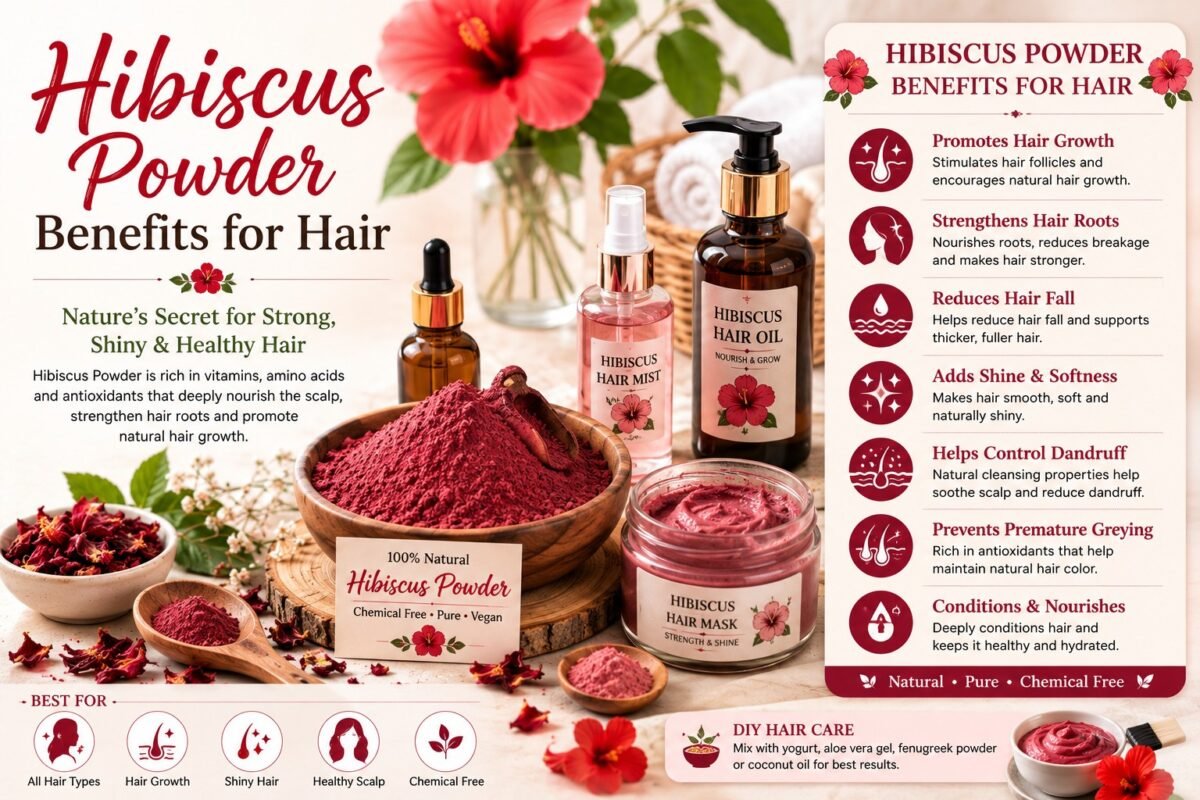
Hibiscus Powder Benefits for Hair
Jun
Hibiscus Powder Benefits for Hair
Learn how hibiscus powder is used in DIY hair care, herbal hair masks, hair wash powders, shampoo bars, scalp-care themed products, herbal soap, and natural cosmetic formulations with safe, beginner-friendly formulation tips.
Quick Answer
Hibiscus powder is popular in hair care products for its botanical hair-care theme, red-purple natural color, mild powder texture, and traditional herbal appeal. It is commonly used in hair masks, hair wash powders, shampoo bars, herbal soaps, and scalp-care themed rinse-off products. Use fine cosmetic-grade powder and avoid medical hair-growth claims.
Table of Contents
What Is Hibiscus Powder?
Hibiscus powder is a finely ground botanical powder made from dried hibiscus flowers or plant parts, depending on supplier type. In cosmetic and hair care making, it is used for its botanical product identity, natural red-purple tone, traditional hair-care appeal, and powder-based formulation use.
Hibiscus powder is widely used in herbal hair masks, hair wash powders, scalp-care themed blends, shampoo bars, handmade soaps, bath powders, and natural cosmetic products. It is often paired with amla powder, shikakai powder, reetha powder, aloe vera powder, bhringraj powder, rosemary oil, coconut oil, and castor oil.
Because hibiscus is a natural botanical powder, its color and smell can vary by batch. Its color may also change depending on pH, heat, soap base, and storage conditions.
For hibiscus powder, amla powder, shikakai powder, reetha powder, aloe vera powder, rosemary oil, castor oil, coconut oil, soap bases, jars, pouches, and DIY cosmetic raw materials, visit Jindeal.com.
Hibiscus Powder Benefits for Hair Products
Hibiscus powder gives hair care products a strong botanical identity and traditional herbal positioning. It is a useful ingredient for brands making natural-style hair care, herbal powders, scalp-care products, and DIY hair masks.
Cosmetic and product-making benefits include:
- Traditional herbal hair-care product appeal
- Natural red-purple botanical color
- Useful in dry hair mask powders
- Good addition to herbal hair wash powders
- Pairs well with amla, shikakai, reetha, aloe vera, and bhringraj powders
- Can be used in shampoo bars and herbal cleansing bars
- Supports scalp-care themed product positioning
- Works well in pre-wash hair mask concepts
- Can add visual identity to handmade soap
- Useful for low-MOQ DIY hair care product ranges
- Blends well with rosemary, lavender, tea tree, and peppermint essential oils when used safely
- Creates premium natural, ayurvedic-style, and botanical hair care branding
Hibiscus Powder Usage Chart
This beginner-friendly chart explains where hibiscus powder works best in DIY hair care and cosmetic products.
| Product Type | How Hibiscus Powder Helps | Beginner Note | Quality / Safety Note |
|---|---|---|---|
| Dry Hair Mask Powder | Adds botanical hair-care theme and natural color | Blend with amla, aloe, shikakai, or clay | Mix fresh before use |
| Herbal Hair Wash Powder | Supports traditional powder hair-care concept | Pair with reetha, shikakai, and amla | Avoid eyes and rinse well |
| Scalp-Care Themed Product | Adds herbal branding and botanical appeal | Best in rinse-off products | Patch test before use |
| Shampoo Bar | Adds natural color and herbal story | Use small amount first | Color may change with pH |
| Melt and Pour Soap | Adds botanical appearance and label appeal | Disperse first to avoid specks | May fade or darken |
| Oil-Based Hair Mask | Adds herbal powder texture to pre-wash masks | Use carefully to avoid gritty feel | Keep water out if preservative-free |
| Wet Hair Mask | Adds botanical hair-care theme | Requires proper formula and preservative if stored | Water-based stored products need preservation |
How to Use Hibiscus Powder
1. In Dry Hair Mask Powder
Blend hibiscus powder with amla powder, aloe vera powder, shikakai powder, bhringraj powder, kaolin clay, or other fine cosmetic powders. The user can mix the powder fresh with water, aloe juice, hydrosol, curd, or another suitable liquid just before use.
2. In Herbal Hair Wash Powder
Hibiscus powder can be blended with reetha, shikakai, aritha, amla, and other traditional hair wash powders. This type of product is usually rinse-off and should be kept away from eyes.
3. In Shampoo Bars
Add a small amount of hibiscus powder to shampoo bar formulas for botanical color and label appeal. Test pH, color, specking, foam, and rinse feel before selling.
4. In Handmade Soap
Hibiscus powder can be used in melt and pour soap or handmade soap, but the color may shift, fade, or darken depending on the base and pH. Use small amounts and test first.
5. In Oil-Based Hair Masks
Hibiscus powder can be mixed into oil-based pre-wash hair masks with coconut oil, castor oil, sweet almond oil, or olive oil. Use fine powder and make sure the texture is easy to wash out.
6. With Essential Oils
Hibiscus powder pairs well with rosemary essential oil, lavender essential oil, tea tree oil, peppermint oil, and cedarwood oil in hair-care themed products when essential oils are used at safe diluted levels.
7. With Carrier Oils
Carrier oils like coconut oil, castor oil, jojoba oil, olive oil, and sweet almond oil can be used in hair mask or hair oil concepts. Powder-in-oil products should be tested for settling, texture, and wash-off performance.
Beginner Formula Ideas
| Product Idea | Simple Ingredient Direction | Product Theme |
|---|---|---|
| Hibiscus Hair Mask Powder | Hibiscus powder + amla powder + aloe vera powder | Botanical hair-care mask |
| Herbal Hair Wash Powder | Hibiscus powder + shikakai powder + reetha powder + amla powder | Traditional hair wash powder |
| Hibiscus Scalp Pack | Hibiscus powder + kaolin clay + aloe vera powder | Scalp-care themed rinse-off pack |
| Hibiscus Oil Hair Mask | Hibiscus powder + coconut oil + castor oil + vitamin E oil | Pre-wash herbal oil mask |
| Hibiscus Shampoo Bar | Shampoo bar base + hibiscus powder + rosemary essential oil | Herbal shampoo bar concept |
| Hibiscus Soap Bar | Melt and pour soap base + hibiscus powder + floral fragrance | Botanical handmade soap |
Common Mistakes
1. Using Coarse Hibiscus Powder
Coarse powder can feel gritty and may be hard to rinse from hair. Use fine cosmetic-grade powder.
2. Adding Too Much in Shampoo Bars
Too much powder can reduce foam, create residue, or make the bar feel rough.
3. Expecting Guaranteed Hair Growth
Hibiscus powder can be used in hair-care themed products, but avoid guaranteed hair growth claims.
4. Making Wet Hair Mask Without Preservative
Stored wet masks need proper preservative. Dry masks should remain dry until use.
5. Ignoring Color Change
Hibiscus color may shift in soap, shampoo bars, alkaline products, heat, or long storage.
6. Not Testing Wash-Off
Powders can remain in hair if the formula is too heavy or not finely milled.
7. Using Too Much Essential Oil
Essential oils must be diluted and used at safe levels, especially scalp products.
8. Not Warning to Avoid Eyes
Hair wash powders and shampoo products should be kept away from eyes.
9. Storing Powder in Humidity
Moisture can make hibiscus powder clump or spoil faster.
10. Making Medical Claims
Do not claim hibiscus powder cures dandruff, scalp infection, alopecia, baldness, or hair fall.
Expert Tips
- Use fine cosmetic-grade hibiscus powder for hair care products.
- Best beginner products are dry hair masks, hair wash powders, shampoo bars, and soap.
- Blend hibiscus powder with amla, shikakai, reetha, aloe vera, or bhringraj powder.
- Use small amounts in shampoo bars and soap to avoid residue.
- Test color stability because hibiscus can change shade depending on pH.
- Use rosemary essential oil for herbal hair-care aroma, but dilute safely.
- Use coconut oil and castor oil for rich pre-wash hair mask concepts.
- Keep dry powders moisture-free.
- Use preservatives for stored wet formulas.
- Patch test finished products before use.
- Keep claims cosmetic-safe and avoid hair loss treatment claims.
- Buy hibiscus powder, amla powder, shikakai powder, reetha powder, carrier oils, essential oils, pouches, bottles, and DIY raw materials from Jindeal.com.
FAQ
1. What is hibiscus powder used for in hair care?
Hibiscus powder is used in hair masks, herbal hair wash powders, shampoo bars, scalp-care themed products, and botanical hair care formulas.
2. Is hibiscus powder good for hair products?
Yes. It is popular in natural hair-care products for botanical appeal, natural color, and traditional hair mask concepts.
3. Can hibiscus powder grow hair?
Cosmetic products should not claim guaranteed hair growth or treatment of hair loss. Hibiscus powder can be used in hair-care themed products.
4. Can hibiscus powder reduce hair fall?
Do not make hair fall treatment claims. It can be used in herbal hair care and scalp-care themed rinse-off products.
5. Can hibiscus powder be mixed with amla powder?
Yes. Hibiscus and amla powder are a popular combination for dry hair mask and herbal hair care blends.
6. Can hibiscus powder be mixed with shikakai?
Yes. Hibiscus, shikakai, reetha, and amla can be blended for herbal hair wash powder concepts.
7. Can hibiscus powder be used in shampoo bars?
Yes, but use a small amount and test foam, pH, color, residue, and wash feel.
8. Can hibiscus powder be used in soap?
Yes. Hibiscus powder can be used in handmade soap, but color may fade, darken, or change depending on soap base and pH.
9. Does hibiscus powder stain hair?
It may leave temporary color or residue depending on amount, hair type, formula, and rinse-off performance. Always test first.
10. Does hibiscus powder need preservative?
Dry hibiscus powder products usually do not need water-phase preservatives if kept dry. Stored wet formulas need suitable preservation.
11. Can hibiscus powder be used with coconut oil?
Yes. It can be mixed into pre-wash hair mask concepts with coconut oil, castor oil, sweet almond oil, or olive oil.
12. Can hibiscus powder be used with rosemary oil?
Yes. Rosemary essential oil can be used for aroma in hair-care themed products when diluted safely and used at proper levels.
13. How should hibiscus powder be stored?
Store it in a dry airtight container away from moisture, heat, sunlight, and contamination.
14. What can I mix with hibiscus powder?
You can mix it with amla powder, shikakai powder, reetha powder, aloe vera powder, bhringraj powder, clays, carrier oils, soap base, or shampoo bar base depending on product type.
15. Where can I buy hibiscus powder?
You can buy hibiscus powder, amla powder, shikakai powder, reetha powder, carrier oils, essential oils, pouches, bottles, and DIY cosmetic raw materials from Jindeal.com.
Final Words
Hibiscus powder is a strong botanical ingredient for hair masks, herbal hair wash powders, shampoo bars, soaps, and natural hair-care themed products. It gives natural color, herbal appeal, and premium DIY cosmetic positioning.
Use fine cosmetic-grade powder, test wash-off and color stability, keep dry products moisture-free, preserve stored wet formulas correctly, and avoid hair loss treatment claims. For hibiscus powder, hair care powders, carrier oils, essential oils, pouches, bottles, and DIY raw materials, visit Jindeal.com.
Shop Hibiscus Powder on Jindeal.com
Buy hibiscus powder, amla powder, shikakai powder, reetha powder, aloe vera powder, rosemary oil, castor oil, coconut oil, pouches, bottles, and DIY hair care ingredients from Jindeal.com.
