
Uncategorized
How to Start a Private Label Cosmetics Business in India: Complete Guide for 2027
The Indian beauty and skincare industry offers exciting opportunities for entrepreneurs who want to launch their own cosmetics brands. One popular business model is private label cosmetics, where you sell products under your own brand name while working with an established cosmetics manufacturer.
You do not need to own a factory or purchase expensive manufacturing equipment to get started. With the right manufacturer, attractive packaging and a well-planned product range, you can build your own skincare or beauty brand.
1. What Is a Private Label Cosmetics Business?
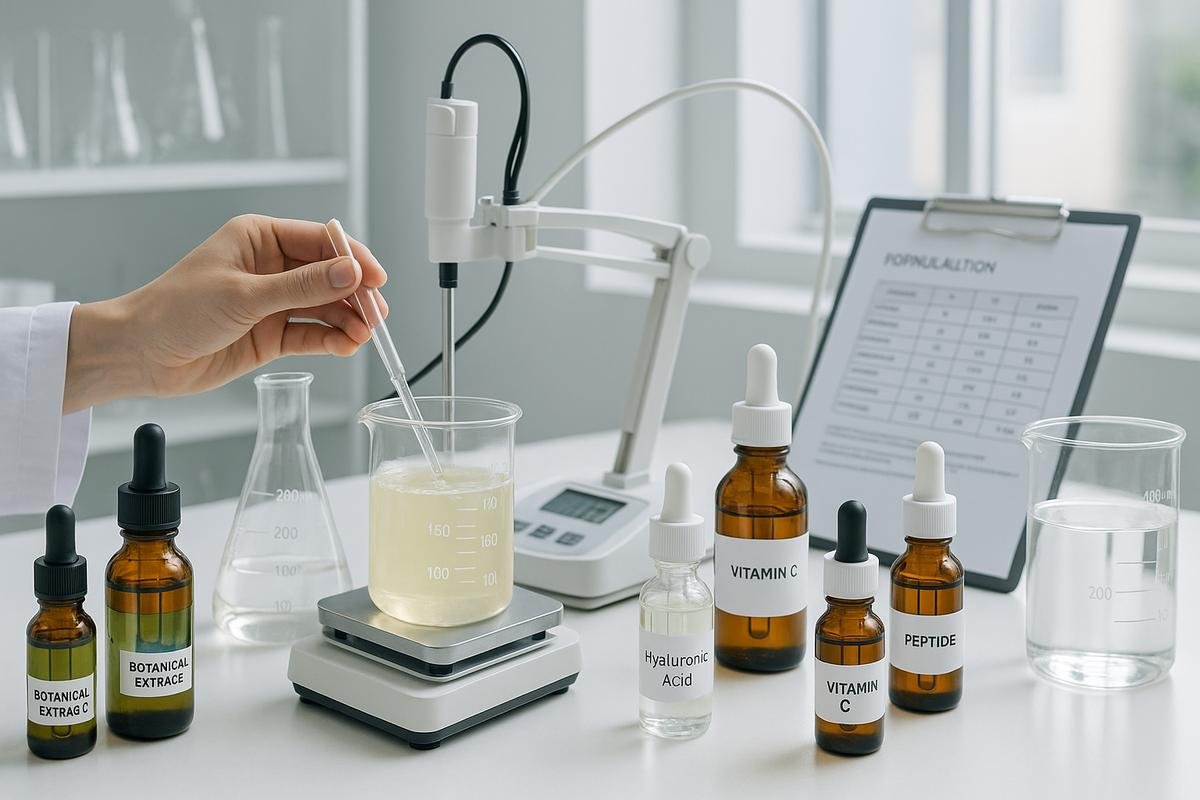
Private label cosmetics are beauty and personal care products manufactured by another company and sold under your brand name.
For example, you can launch a skincare brand selling:
- Vitamin C face serums
- Hyaluronic acid serums
- Face moisturisers
- Body lotions and body butters
- Face washes and cleansers
- Shampoos and conditioners
- Lip balms and cleansing balms
- Handmade-style soaps
You can choose an existing manufacturer-approved formulation or work with a manufacturer to develop a customised product.
2. Choose the Right Cosmetics Products
Start with a small product range instead of launching too many products at once.
| Product | Target customers |
|---|---|
| Face serum | Skincare enthusiasts |
| Face moisturiser | Daily skincare users |
| Body lotion | General personal care |
| Lip balm | Everyday lip care |
| Face wash | Daily cleansing |
| Hair serum | Hair care customers |
| Body butter | Premium body care |
| Shampoo | Regular hair care |
Tip: Start with two or three products that appeal to the same customer group. This makes branding, marketing and inventory management easier.
3. Find a Reliable Private Label Manufacturer
Choosing the right manufacturer is one of the most important decisions.
Before placing an order, ask for:
- Valid cosmetics manufacturing licence
- Complete ingredient list
- Product specifications and formulation details
- Certificate of Analysis (COA), where applicable
- Safety and stability testing information
- Microbiological test reports, where relevant
- Minimum order quantity (MOQ)
- Manufacturing and delivery timelines
- Packaging and labelling support
- Batch traceability and complaint-handling procedures
Always request samples and evaluate the product before committing to bulk manufacturing.
4. Develop Your Own Cosmetic Brand
Your brand should have a clear identity and target audience.
Decide:
- Brand name and logo
- Target customer group
- Product positioning: affordable, natural-inspired, premium or professional
- Packaging style
- Product benefits and permitted claims
- Brand colours and visual identity
Check trademark availability before finalising your brand name.
5. Choose Cosmetic Packaging
Packaging affects product appearance, usability and customer perception.
Popular options include:
- Glass serum bottles with droppers
- Airless pump bottles
- Plastic lotion bottles
- Cosmetic cream jars
- Lip balm containers
- Shampoo bottles
- Printed cartons and labels
Choose packaging that is compatible with the formulation. For example, some ingredients require protection from light or air. Test the final product in its intended packaging before commercial launch.
6. Understand Cosmetics Licensing and Legal Requirements in India
Before selling cosmetics in India, understand the applicable requirements under the Cosmetics Rules, 2020, the Drugs and Cosmetics Act, and relevant labelling and consumer protection rules.
Important points include:
- Cosmetics manufactured for sale must comply with applicable manufacturing licence requirements.
- The contract manufacturer should hold the appropriate manufacturing licence for the products being made.
- Product labels must meet applicable requirements, including product identity, ingredients, batch details, manufacturing licence details, net contents, manufacturer information and other required declarations.
- Legal Metrology requirements may apply to packaged products.
- GST registration and invoicing requirements depend on your business activities and applicable thresholds.
- Imported finished cosmetics have separate CDSCO registration requirements.
If you are using a third-party manufacturer, clearly define in your agreement who is responsible for manufacturing compliance, product testing, labelling, batch records, complaints and product recalls.
Important: A private label agreement does not automatically remove your responsibilities as a brand owner or marketer. Confirm your obligations with a qualified regulatory consultant or the relevant State Licensing Authority before launch.
7. Calculate Your Private Label Cosmetics Business Investment
Your investment depends on product selection, packaging quality, MOQ, manufacturer pricing and marketing budget.
Typical cost heads include:
| Expense | What it covers |
|---|---|
| Product development | Samples and formulation work |
| Manufacturing | Bulk production |
| Packaging | Bottles, jars, pumps and cartons |
| Branding | Logo, design and labels |
| Testing | Stability and relevant quality tests |
| Website | Online store and product pages |
| Marketing | Photography, advertising and promotions |
| Logistics | Storage, packing and shipping |
Request quotations from multiple manufacturers before finalising your budget.
8. How to Calculate Your Product Selling Price
Do not calculate your selling price using only the manufacturing cost.
Consider this example for a cosmetic serum:
| Cost component | Illustrative cost |
|---|---|
| Product manufacturing | ₹45 |
| Bottle and dropper | ₹18 |
| Label and outer packaging | ₹12 |
| Packing and handling | ₹10 |
| Total basic product cost | ₹85 |
If the selling price is ₹249, the difference is ₹164 before advertising, shipping, platform fees, applicable taxes, discounts, returns and other operating expenses.
This is not your final profit. Calculate your actual contribution margin before deciding your selling price.
9. Build Your Online Cosmetics Store
You can sell through:
- Your own WooCommerce or Shopify website
- Amazon and other suitable marketplaces
- Instagram and Facebook
- WhatsApp Business
- Beauty retailers and distributors
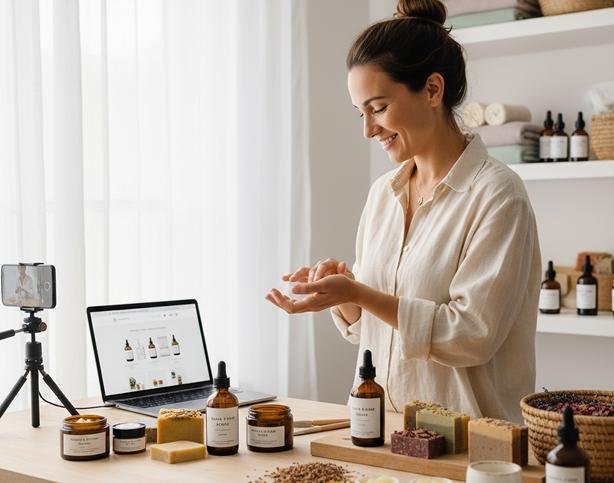
Create professional product photographs, clear ingredient information, accurate usage instructions and transparent product descriptions.
For a new brand, educational blogs and product demonstration videos can help attract organic traffic.
10. Marketing Strategies for a New Cosmetics Brand
Use a combination of digital marketing and customer education.
- Publish skincare and beauty education blogs.
- Create short product demonstration videos.
- Collaborate with relevant beauty creators.
- Offer introductory product bundles.
- Collect genuine customer reviews.
- Build an email and WhatsApp customer list with appropriate consent.
- Use search engine optimisation to attract customers.
Avoid unverified claims such as guaranteed skin whitening, acne cures or permanent results.
11. Common Mistakes to Avoid
- Selecting a manufacturer without verifying its licence.
- Ordering large quantities before testing samples.
- Ignoring product stability and microbiological safety.
- Using unsuitable packaging.
- Copying another brand’s packaging or trademark.
- Making unsupported medical or cosmetic claims.
- Underestimating advertising and shipping costs.
- Launching too many products at the beginning.
12. How Jindeal Can Help You Start Your Cosmetics Brand
If you are planning to develop your own cosmetics products, Jindeal.com offers a range of supplies useful for product development, packaging and small-scale formulation work.
Explore relevant categories such as:
- Cosmetic serum bases
- Soap bases
- Cosmetic jars and bottles
- Dropper bottles and lotion containers
- Essential oils and fragrance oils
- Mica powders and cosmetic colours
- Packaging accessories
These supplies can help with product development and packaging trials. However, a ready-made base or raw material does not automatically qualify as a finished, compliant cosmetic product for commercial sale. Verify the supplier’s documentation, formulation compatibility, testing and applicable licensing requirements.
Conclusion
Starting a private label cosmetics business in India can be a practical way to build your own beauty brand without establishing a manufacturing facility. The key is to choose suitable products, work with a reliable licensed manufacturer, verify quality and regulatory compliance, and develop attractive packaging.
Start with a small product range, test the market and expand based on customer feedback. With proper planning and consistent product quality, you can gradually build a recognisable cosmetics brand.
