
Uncategorized
How to Make Solid Perfume at Home: Ingredients and Formula 🌸💚
Solid perfume is a convenient, portable fragrance made using wax, carrier oil and perfume ingredients. Unlike liquid perfumes, it comes in a semi-solid form and can be stored in small tins or cosmetic jars. It is a popular DIY project for fragrance lovers and handmade beauty businesses.
Let’s learn how to make solid perfume at home with a simple beginner-friendly formula.
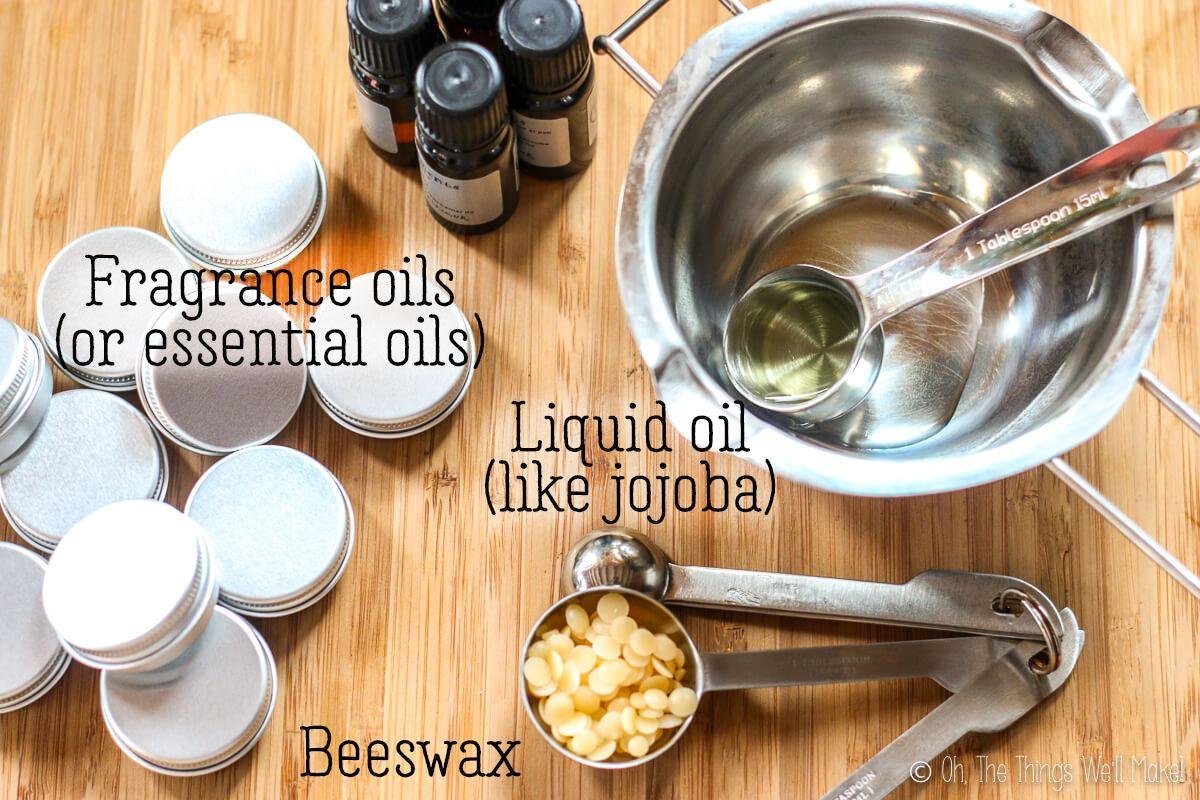
🧪 1. Ingredients Required
You will need:
- Beeswax: Helps give the perfume its solid texture.
- Jojoba oil: A popular carrier oil with a lightweight feel.
- Sweet almond oil: Another option for a smooth skin feel.
- Perfume oil: Provides the fragrance. Choose one suitable for leave-on skin products.
- Small cosmetic tins or jars: For storing the finished perfume.
⚖️ 2. Beginner Solid Perfume Formula
Here is an illustrative 100 g formula:
| Ingredient | Percentage | Quantity |
|---|---|---|
| Beeswax | 20% | 20 g |
| Jojoba oil | 70% | 70 g |
| Skin-safe fragrance | 10% | 10 g |
| Total | 100% | 100 g |
The 10% fragrance level is only an example, not a universal safe limit. Always check the fragrance supplier’s IFRA certificate and maximum usage level for the intended leave-on perfume application.
🕯️ 3. How to Make Solid Perfume
- Melt the beeswax: Use a double boiler and gently heat until completely melted.
- Add carrier oil: Mix in jojoba oil and stir until uniform.
- Cool slightly: Allow the mixture to reach the fragrance supplier’s recommended addition temperature.
- Add perfume: Mix in the skin-safe fragrance oil thoroughly.
- Pour into containers: Transfer carefully into clean, dry cosmetic tins or jars.
- Allow to set: Leave undisturbed until the perfume becomes firm.
🌸 4. Packaging and Storage Ideas
Use small aluminium tins, glass cosmetic jars or compact containers. Add attractive labels with the fragrance name, ingredients, net weight and usage instructions.
🛍️ Find DIY Supplies at Jindeal.com
Explore fragrance oils, cosmetic jars, tins, waxes and DIY craft supplies at Jindeal.com.
Safety tip: Perform a patch test, avoid applying near eyes or broken skin, and do not use fragrance oils unless they are approved for the intended skin-contact application. For commercial sale in India, check applicable cosmetic manufacturing, testing and labelling requirements.
