
Uncategorized
How to Create a Premium Brand for Handmade Products in India
The handmade products market is becoming increasingly competitive. Whether you sell scented candles, handmade soaps, resin art, skincare products, perfumes or home décor, creating a premium brand can help your business stand out.
A premium brand is not just about expensive packaging. It is about product quality, attractive presentation, consistent branding and the overall customer experience.
If you want customers to recognise your products as special and worth paying more for, here is how to build a premium handmade brand.
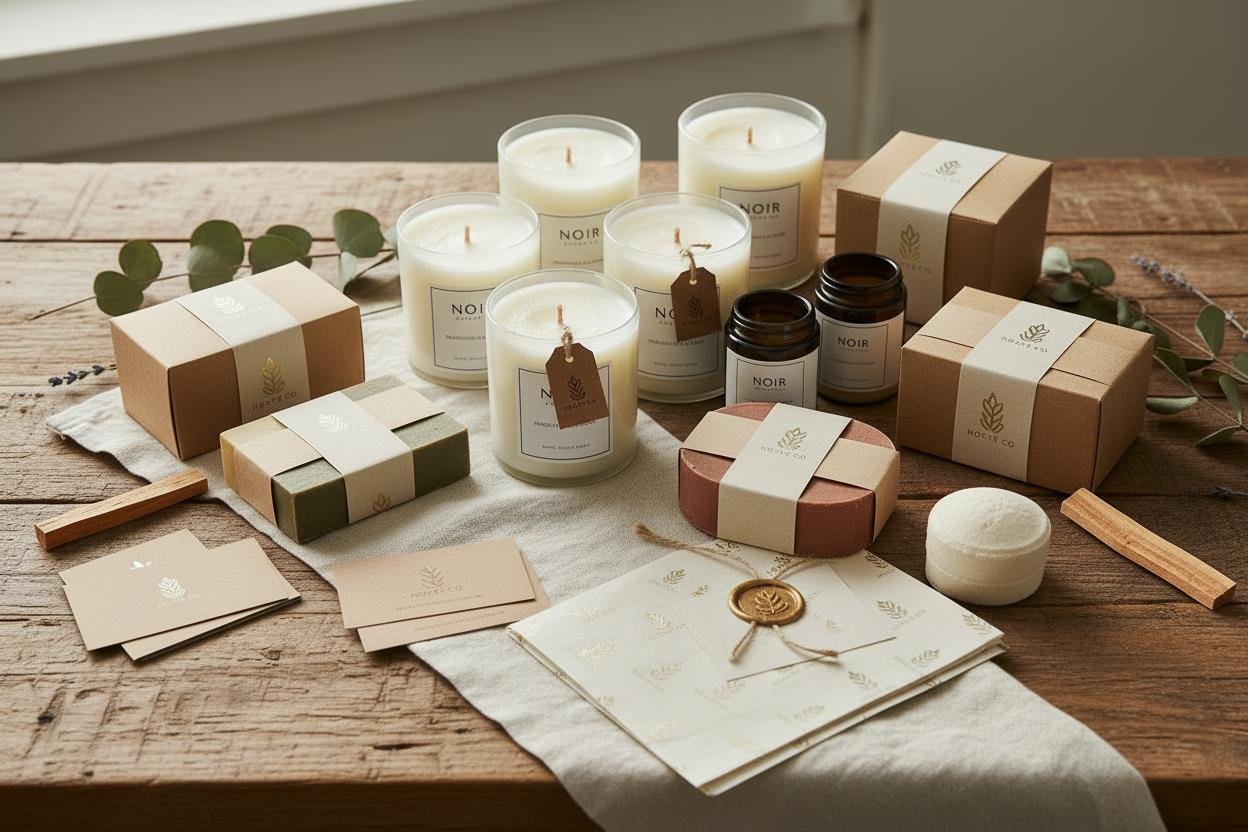
1. Choose a Clear Brand Identity
Start by deciding what your brand represents.
Ask yourself:
- Who are your target customers?
- What makes your products different?
- Are you targeting luxury gifting or everyday customers?
- What feeling should customers associate with your brand?
Choose a memorable brand name that is easy to pronounce and suitable for your product category.
Check domain availability and trademark availability before finalising your name.
2. Create a Premium Logo and Visual Identity
Your logo is one of the first things customers notice.
Build a consistent visual identity using:
- A professional logo
- Two or three brand colours
- Consistent typography
- Attractive product labels
- Matching packaging designs
- A recognisable photography style
Popular premium branding styles include minimalist, elegant, botanical, modern and luxury-inspired designs.
3. Focus on Product Quality
Premium branding starts with the actual product.
For handmade candles, focus on fragrance quality, suitable wax, tested wicks and consistent burning performance.
For cosmetics, focus on formulation quality, ingredient documentation, stability and suitable packaging.
For resin products, focus on clean finishing, attractive colours and durable construction.
Maintain consistent quality across every batch. A beautiful label cannot compensate for an unreliable product.
4. Invest in Premium Packaging
Packaging can make a handmade product feel more valuable.
Consider:
- Rigid gift boxes
- Premium glass jars
- Custom printed labels
- Magnetic gift boxes
- Gold or metallic finishing
- Tissue paper and branded stickers
- Personalised thank-you cards
Choose packaging that protects the product as well as improving its appearance.
5. Develop a Signature Product Range
Instead of selling too many unrelated products, build a collection around a specific theme.
Examples:
| Brand category | Signature product collection |
|---|---|
| Luxury candle brand | Premium scented candles |
| Skincare brand | Serums and moisturisers |
| Home fragrance brand | Reed diffusers and wax melts |
| Handmade soap brand | Botanical and designer soaps |
| Resin art brand | Personalised nameplates and décor |
A focused collection helps customers understand what your brand specialises in.
6. Use Professional Product Photography
High-quality photographs help communicate your brand’s value.
Use:
- Clean backgrounds
- Soft studio lighting
- Close-up product photographs
- Lifestyle photography
- Consistent image colours
- Attractive product arrangements
Show the product clearly and accurately. Use lifestyle images to demonstrate how customers can use or display it.
7. Create a Premium Online Shopping Experience
Your website should match your brand identity.
Important elements include:
- Professional homepage design
- Clear product categories
- High-quality product photographs
- Detailed product descriptions
- Secure payment options
- Transparent shipping and return policies
- Customer reviews
- Mobile-friendly design
For WooCommerce stores, maintain consistent product image sizes and use a clean product page layout.
8. Tell Your Brand Story
Customers often connect with the story behind handmade products.
Share:
- Why you started the business
- How your products are developed
- What inspires your designs
- How you select materials
- Your quality-control process
- The people and creativity behind your brand
Use blogs, videos, social media and packaging inserts to communicate your story.
9. Price Your Products Like a Brand
Do not set prices only by comparing yourself with low-cost competitors.
Calculate:
- Raw materials
- Packaging
- Labour
- Manufacturing or production expenses
- Shipping
- Payment gateway charges
- Advertising
- Marketplace fees
- Taxes and overheads
Your selling price should cover all costs and provide a sustainable margin.
Premium pricing must be supported by genuine product quality, design, service and customer experience.
10. Build Customer Loyalty
A premium brand grows through customer trust.
Try these ideas:
- Personalised thank-you cards
- Attractive unboxing experiences
- Loyalty rewards
- Gift packaging
- New product launches
- Seasonal collections
- Responsive customer support
- Consistent after-sales service
Encourage genuine reviews and customer photographs with appropriate permission.
11. Promote Your Handmade Brand Online
Use multiple marketing channels:
Instagram and Pinterest: Share product photographs, behind-the-scenes videos and styling ideas.
YouTube: Publish tutorials, product demonstrations and making-process videos.
SEO blogs: Write helpful articles about candle making, soap making, skincare, resin art and home fragrance.
Email marketing: Share new collections, useful tips and exclusive offers.
Influencer marketing: Collaborate with creators whose audience matches your products.
12. Source the Right Materials for Your Brand
The quality of your raw materials and packaging influences the final product.
Jindeal.com offers supplies for entrepreneurs working in handmade product categories, including:
- Candle wax and candle wicks
- Fragrance oils
- Silicone moulds
- Soap bases
- Cosmetic ingredients and bases
- Mica powders and pigments
- Cosmetic jars and bottles
- Diffuser bottles
- Packaging accessories
Choose materials according to the intended application and supplier specifications. Test finished products before selling them commercially.
Conclusion
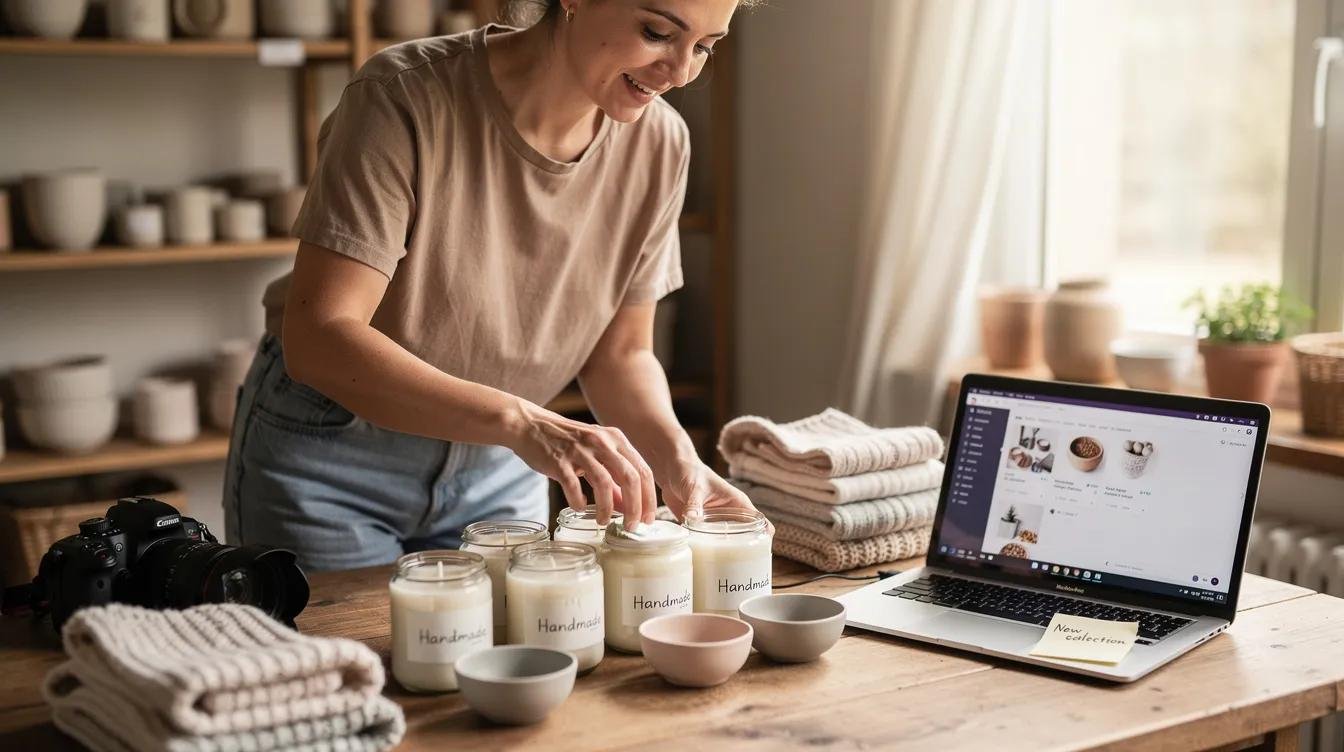
Creating a premium handmade brand requires more than a beautiful logo or expensive packaging. It requires consistent product quality, thoughtful design, professional presentation and excellent customer service.
Start with a clear identity, develop a focused product collection and build trust through every customer interaction. Over time, these efforts can help transform a small handmade business into a recognisable brand.
