
Uncategorized
How to Make Foot Cream at Home
Foot cream is a popular personal-care product designed to moisturise dry feet and soften rough skin. Its rich texture makes it suitable for everyday foot-care routines, especially for people who experience dryness around their heels.
Making foot cream at home is an interesting DIY skincare project and can also be a potential product idea for a handmade cosmetics business.
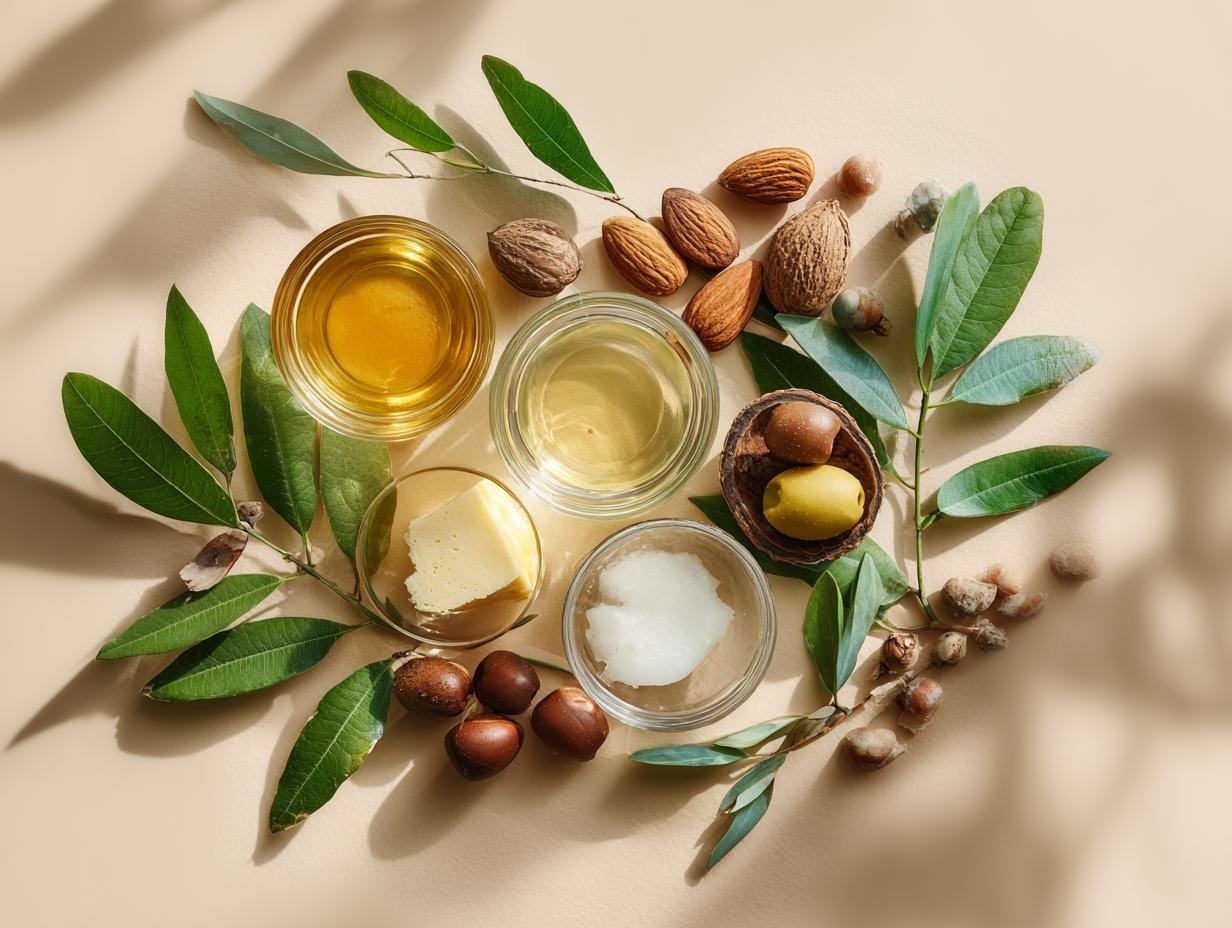
🧴 Ingredients Required
Here are some commonly used ingredients in foot cream formulations:
- Shea butter: Adds a rich, nourishing feel.
- Coconut oil: Helps soften dry skin.
- Sweet almond oil: Provides emollient properties.
- Vegetable glycerin: Helps attract moisture.
- Emulsifying wax: Helps combine water and oils into a stable cream.
- Cetyl alcohol: Improves cream texture and consistency.
- Broad-spectrum preservative: Protects water-based cream against microbial growth.
- Vitamin E: An antioxidant that helps slow oil oxidation.
🪄 Illustrative Foot Cream Formulation
The following is a sample ingredient framework, not a validated manufacturing formula:
| Ingredient | Purpose |
|---|---|
| Distilled water | Water phase |
| Glycerin | Humectant |
| Shea butter | Emollient |
| Coconut oil | Emollient |
| Sweet almond oil | Emollient |
| Emulsifying wax | Emulsion formation |
| Cetyl alcohol | Texture improvement |
| Broad-spectrum preservative | Microbial protection |
| Vitamin E | Antioxidant |
Exact percentages must be developed according to the selected emulsifier and preservative specifications, target pH and stability requirements.
🪄 Basic Preparation Method
1. Prepare the water phase: Measure distilled water and glycerin into a heat-resistant container.
2. Prepare the oil phase: Measure shea butter, coconut oil, almond oil, emulsifying wax and cetyl alcohol separately.
3. Heat both phases: Heat them using a controlled water bath according to supplier instructions.
4. Combine: Slowly mix the two phases until a uniform cream forms.
5. Cool: Continue gentle mixing while the cream cools.
6. Add final ingredients: Add the compatible preservative and vitamin E at their recommended processing temperatures.
7. Check and package: Verify pH, texture and stability before filling suitable cosmetic containers.
💡 Tips for Better Results
- Use cosmetic-grade ingredients.
- Select a suitable broad-spectrum preservative.
- Avoid adding fresh plant extracts without formulation assessment.
- Test cream consistency and absorption.
- Use clean, dry packaging.
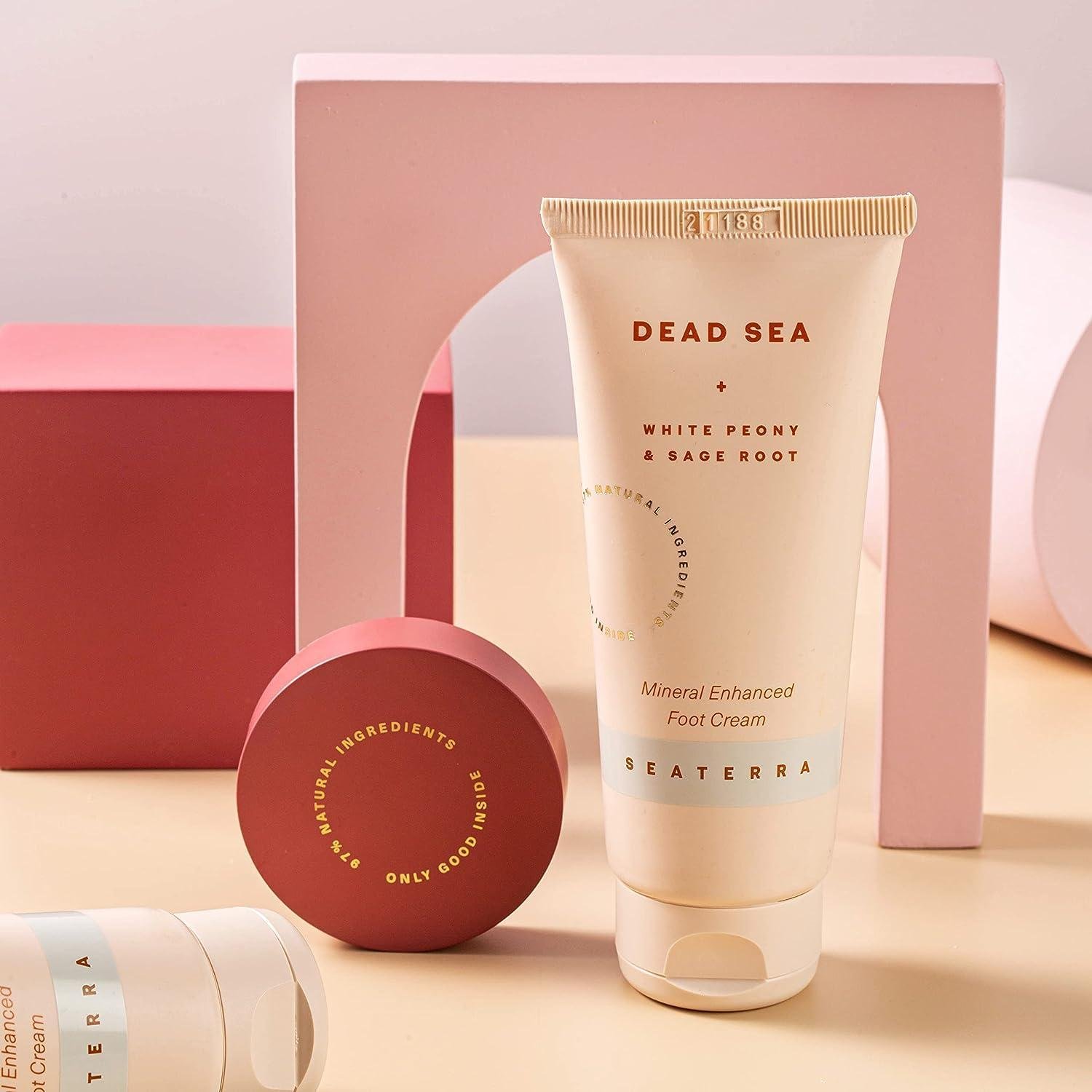
🎁 Packaging Ideas
Wide-mouth cosmetic jars, squeeze tubes and airless pump bottles are attractive packaging options. Premium labels and gift boxes can help create a professional foot-care collection.
Final Thoughts
Foot cream is a useful addition to a handmade skincare range. Focus on moisturising ingredients, suitable preservation and product testing before introducing it commercially.
