
Uncategorized
How to Make Soap with Natural Clays and Botanicals 🌿🧼
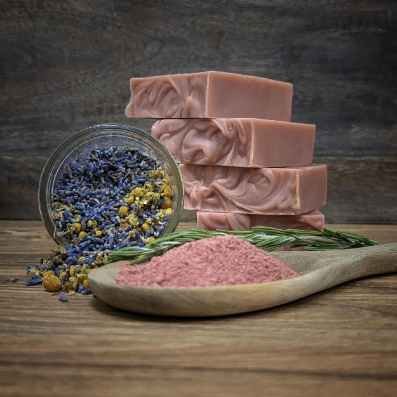
Natural clay and botanical soaps are popular among handmade skincare lovers because of their earthy colours, beautiful textures and natural-inspired appearance. Ingredients such as kaolin clay, rose clay, French green clay and dried botanical powders can help create attractive handmade soap bars.
For beginners, using a ready-made melt and pour soap base is an easy way to make clay and botanical soap without handling caustic soda.

🧰 Ingredients Required
- 500 g melt and pour glycerin soap base
- 1–2 teaspoons cosmetic-grade clay (kaolin, rose or green clay)
- ½–1 teaspoon suitable botanical powder (optional)
- Skin-safe fragrance oil (optional)
- Soap-compatible colour (optional)
- Silicone soap mould
- Heat-resistant melting jug
- Spatula and digital weighing scale
🧼 Step-by-Step Method
Step 1: Prepare the Clay
Measure your selected cosmetic-grade clay. Mix it with a small amount of melted soap base to create a smooth, lump-free paste.
Step 2: Melt the Soap Base
Cut the soap base into small cubes. Melt using a double boiler or microwave in short intervals. Avoid overheating or boiling.
Step 3: Add Clay and Botanicals
Add the prepared clay paste and a small amount of suitable botanical powder. Stir gently until evenly distributed.
Step 4: Add Fragrance
Add optional skin-safe fragrance at the supplier-recommended temperature and usage level. Follow the applicable IFRA rinse-off category limit.
Step 5: Pour into Silicone Moulds
Pour the mixture into clean silicone moulds. Lightly spray the surface with rubbing alcohol if bubbles appear.
Step 6: Cool and Unmould
Allow the soap to harden completely before removing it from the mould. Wrap finished bars in moisture-resistant packaging.
🌸 Popular Natural Clay and Botanical Combinations
- Rose clay with rose fragrance.
- French green clay with herbal-inspired fragrance.
- Kaolin clay with lavender fragrance.
- Oatmeal powder with a creamy soap base.
⚠️ Important Tips
- Always use cosmetic-grade clays and botanicals.
- Avoid excessive powders, which can make soap crumbly or leave residue.
- Use only suitable, finely powdered botanical ingredients.
- Avoid fresh flowers and fresh plant materials in melt and pour soap.
- Test finished soap for stability and skin compatibility.
🛍️ Shop Soap Making Supplies at Jindeal
Explore melt and pour soap bases, cosmetic clays, botanical powders, fragrance oils and silicone moulds at Jindeal.com to create beautiful handmade soaps.
