
Uncategorized
How to Make Handmade Shampoo Bars at Home 🧴🌿
Shampoo bars are compact, solid hair-cleansing products that are becoming popular as an alternative to traditional liquid shampoos. They are convenient to store, travel-friendly and can be packaged beautifully for handmade beauty businesses.
If you enjoy making DIY cosmetic products, creating shampoo bars at home can be an interesting project.
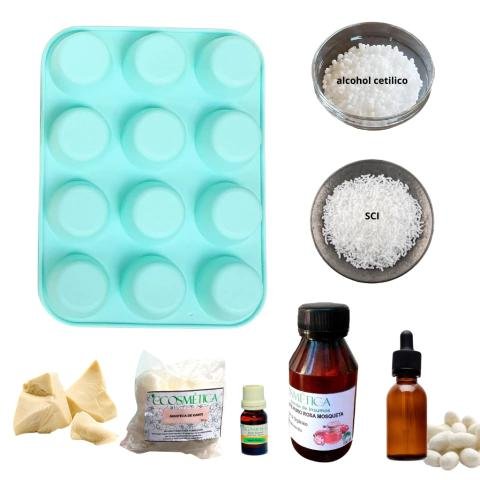
🧪 1. Ingredients Required for Shampoo Bars
For a beginner-friendly syndet shampoo bar, you can use:
- SCI (Sodium Cocoyl Isethionate): A mild solid surfactant that provides cleansing and foam.
- Cocamidopropyl Betaine: A liquid surfactant that can help improve the formulation and foam.
- Cetyl alcohol: Helps improve the bar’s texture and hardness.
- BTMS-25: A conditioning ingredient used in some hair-care formulations.
- Glycerin: A humectant that helps attract moisture.
- Panthenol: A conditioning ingredient commonly used in hair-care products.
- Fragrance: Use a fragrance approved for rinse-off hair-care products.
📋 2. Beginner Shampoo Bar Formula
The following is an illustrative 100 g starting formula, not a validated commercial formulation.
| Ingredient | Quantity |
|---|---|
| SCI | 60 g |
| Cocamidopropyl Betaine | 10 g |
| Cetyl alcohol | 10 g |
| BTMS-25 | 8 g |
| Glycerin | 5 g |
| Panthenol | 2 g |
| Suitable fragrance | 1 g |
| Total | 96 g |
The remaining 4 g should not simply be filled with water or another ingredient without formulation work. Adjust the formula to 100% using a suitable, compatible ingredient system and verify the final product’s stability, pH and safety. Check supplier documentation and fragrance usage limits.
🧴 3. Basic Manufacturing Method
- Wear suitable protective equipment and prepare a clean workspace.
- Gently heat the solid ingredients using an appropriate controlled heating method.
- Add the liquid surfactant and glycerin gradually.
- Mix until a uniform, workable paste forms.
- Add heat-sensitive ingredients and fragrance at their recommended temperatures.
- Press the mixture firmly into clean silicone moulds.
- Allow the bars to cool and harden before unmoulding.
🌿 4. Packaging and Storage
Use paper boxes, suitable wraps or moisture-resistant packaging. Keep shampoo bars dry between uses and protect finished products from moisture during storage.

🛍️ Shop DIY Cosmetic Supplies at Jindeal.com
Explore silicone moulds, cosmetic ingredients, fragrance oils, bottles, jars and packaging supplies at Jindeal.com.
Important: Shampoo bars are formulated cosmetics. Test cleansing performance, pH, stability, microbial safety and scalp compatibility before commercial sale. Follow applicable cosmetic manufacturing and labelling requirements.
